City of Kelowna, local home builders disagree on cause, solutions to soft housing market
Published 10:10 am Friday, March 6, 2026
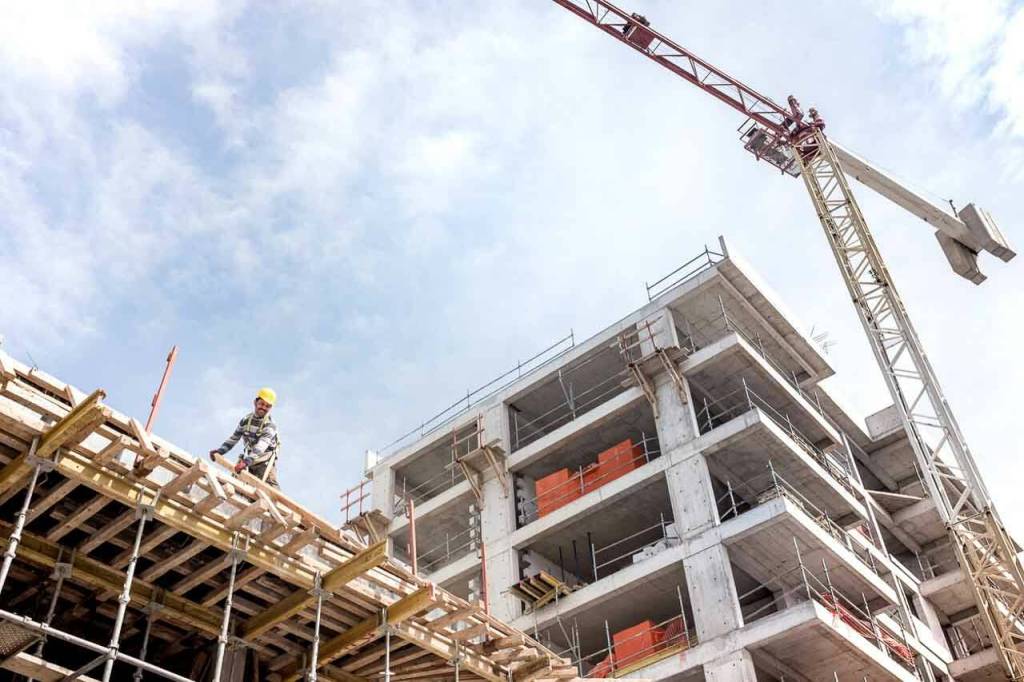
Home builders and the City of Kelowna are at odds over the decline of new home construction in the city.
The Central Okanagan chapter of the Canadian Home Builders Association sent a letter to council March 2, signed by CHBA-CO president Krista Paine and executive officer Cassidy DeVeer, stating the cumulative effect of zoning removal, escalating fees, off-site requirements and servicing constraints has effectively eliminated an entire segment of attainable home building in the city.
“And here is what is most concerning: The desire for home ownership has not disappeared,” states the letter.
In a response to the letter released to the media by the city, the downshift in the building market is not unique to Kelowna, and the greatest contributors to the soft market are the macro-economics of the national housing industry, which is beyond the control purview of city council.
“Kelowna cannot change the fact that demand for new housing is significantly lower than it was during and shortly after the COVID-19 pandemic and that interest rates and cost have risen in recent years,” said the city statement, released through the city’s communications department.
In an interview with Black Press Media, Cassidy says the downturn in residential single-family home construction may be thought of as cyclical in the hallways of city hall, but the current cycle is not normal.
She says it doesn’t resonate the same way with cyclical downturns in 2019 or 2008-09, but more like the 1980s when the home building industry was rocked by 20-plus per cent interest rates.
“Unfortunately, we are going to see a lot businesses tied to the single-family residential construction industry closing their doors. We’re already starting to see that happen,” DeVeer predicted.
“We are voicing some desperation for sure, this is not just a typical advocacy letter we are writing about a specific policy and what is needed…this one to be clear is for the city council to give its head a shake and understand our community is suffering, our vacancy rate is high, unemployment rate is in double digits.
“We are looking for the city to do something about it rather than just bring large tourism related events to town.”
Their letter describes the average Kelowna home builder as someone who builds three to five homes per year. They are not large corporate developers, but rather small local businesses. “They are parents, volunteers, sponsors of youth sports, active members of this community,” states the letter.
“Some of our members have not pulled a permit in over two years. When builders stop building, the ripple effect is immediately felt in our local economy where we are a top four employer and in many years, out perform tourism.”
The federal and provincial governments, DeVeer says, have addressed rental shortfalls and subsidized housing opportunities post-COVID 19, but have done little to nothing to make residential home purchases more financially feasible.
She said amendment to the current stress test for mortgage applicants, refrain from new costly building code measures, GST rebates and down payment assistance would be helpful incentives.
At the municipal level, review and recalibrate Development Cost Charges (DCCs) and permit costs, evaluate the cumulative impact of recent zoning and servicing decisions.
“Residential construction helped carry Kelowna through crisis, and now we are being left in the dark to quietly erode,” states the letter.
Countering the home builders’ association argument, the city reiterates cities with fees both higher and lower than Kelowna are also struggling to make projects viable, in a market that is not currently demanding as much housing.
Addressing the specific issue of DCCs, the city says it has only increased DCCs by about 2.5 per cent since 2022, despite the costs to deliver growth-related infrastructure having increased by nearly 35 per cent during that same period.
“The city has absorbed the cost differential during this period, a roughly 32.5 per cent increase in costs to deliver the DCC program without passing these costs on to the industry. Further, when compared to other municipalities across the province it is notable that the City of Kelowna does not apply an Amenity Cost Charge or a Regional DCC to development approvals,” read the city statement.
According to the city, housing needs breakdown data shows 6,079 ownership homes constructed in Kelowna since 2021, halfway to the 10-year goal of 12,318 new ownership homes.
“We recognize the challenges the development and construction sectors face and remain committed to working collaboratively to support housing delivery while meeting our legislative and infrastructure responsibilities.”
The city statement also cites recent policy changes to advocate for new home building:
- Implementation of Bill 44, allowing four to six homes on most residential properties in Kelowna;
- Pre-approved designs for 10-plus different types and styles of infill housing, reducing time and expense for builders;
- Two to three week turnaround on approvals for most small-scale residential buildings;
- Pre-zoning most of the city for streamlined residential development, including permitting additional housing density along transit corridors.
Other initiatives currently in the works include following up on a report regarding barriers to infill housing and recommended corrective actions coming to council this spring, staff working on options for council to consider changes to fees and charges assessed to the development community, and a formal sector study now underway to consider opening more land for significant residential, commercial and industrial development.